Product Overview
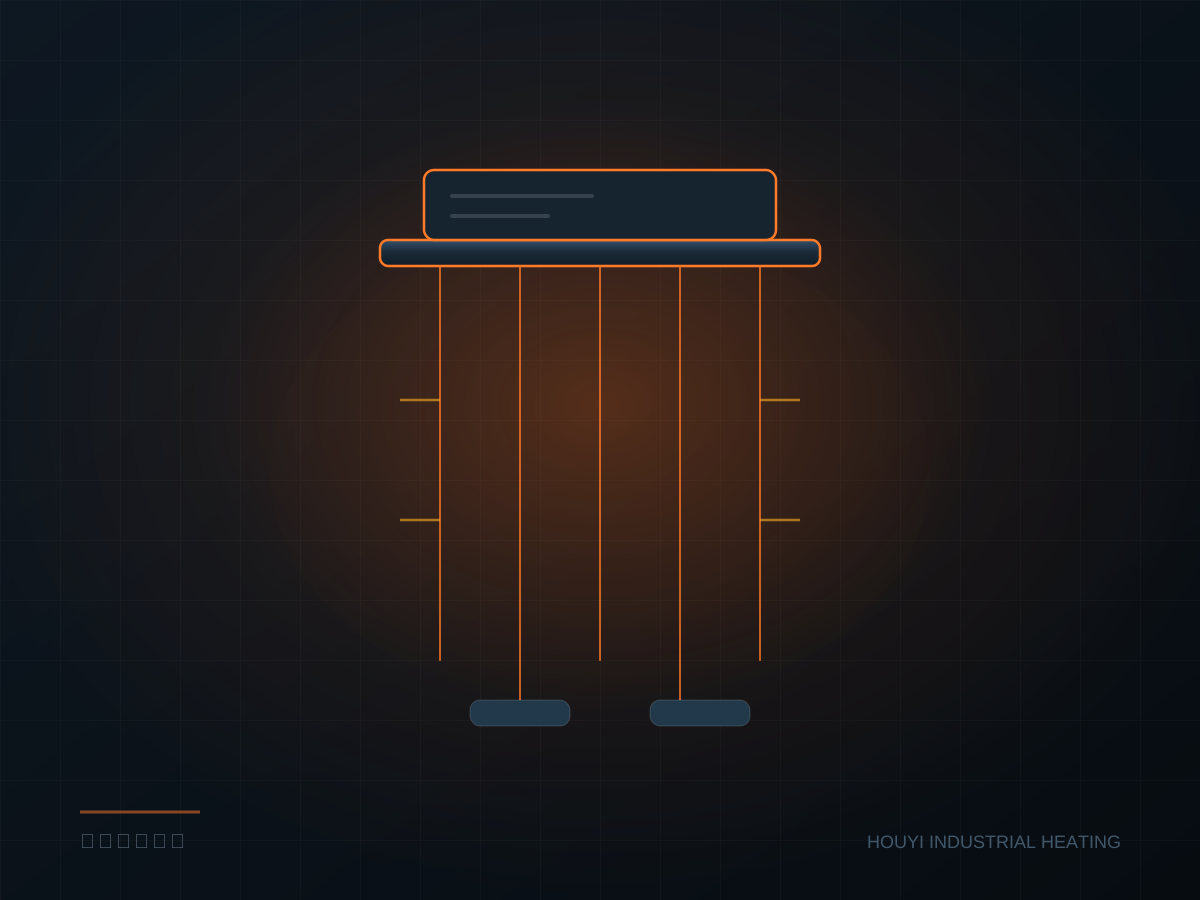
When a single unit needs over 100 kW, a simple bundle can no longer balance installation and service. The HYI series divides elements into groups, each independently wired and protected, with staged switching for power grading—lowering inrush and limiting any fault to its own group.
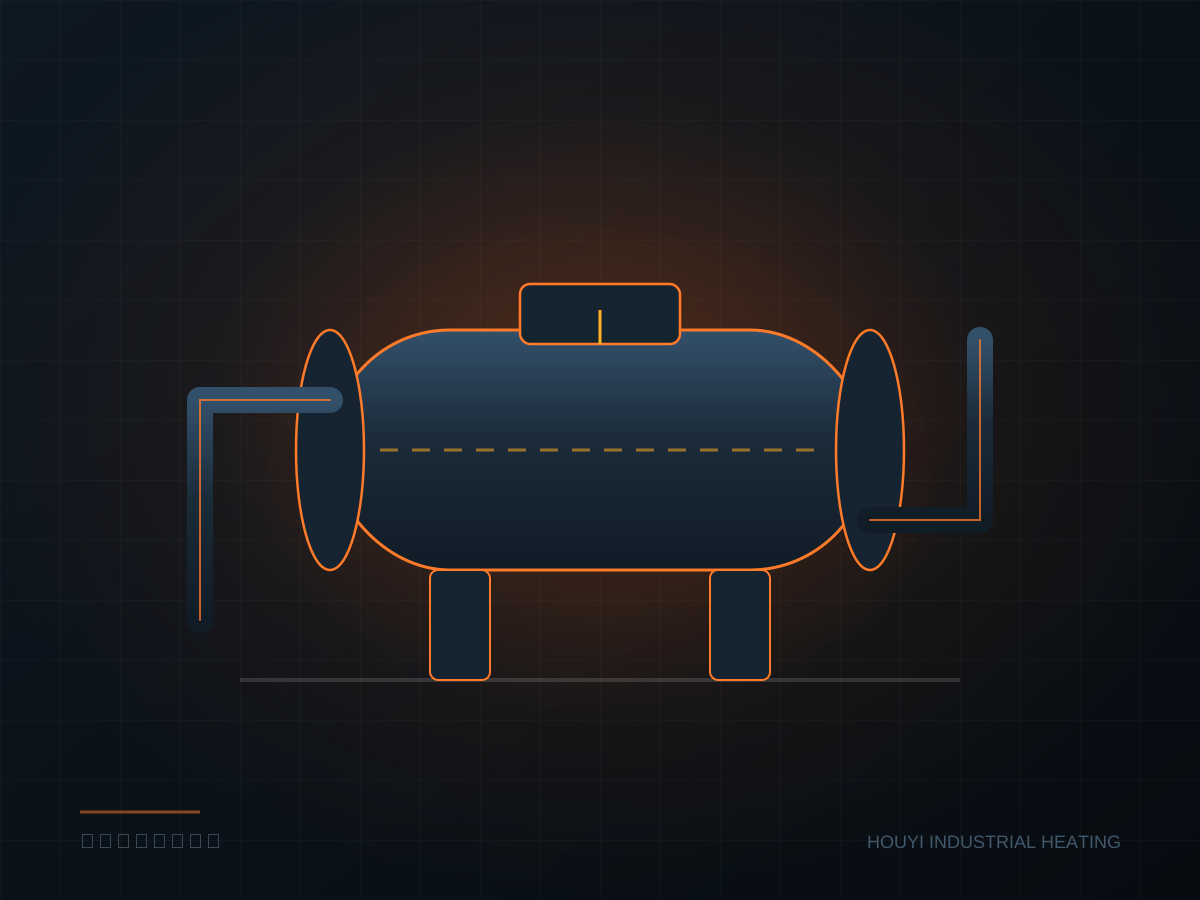
Large-diameter sheaths keep surface load under 3 W/cm²; with a flow baffle (draft tube) the medium forms natural convection between bundles, reducing top-bottom temperature difference. Large tanks commonly use side-wall flange mounting, and adding an internal draft tube markedly improves uniformity.
Each group has independent over-temperature protection and current monitoring; any abnormality cuts only that group with an alarm, leaving overall operation intact. The control cabinet communicates with DCS or PLC, uploading each group status, current, and temperature to the control room.
Construction Features
- 20 – 800 kW multi-group parallel, staged switching lowers inrush
- Automatic group isolation and alarm on fault, no impact on overall operation
- Large-diameter sheath, surface load ≤3 W/cm²
- Optional draft tube improves large-tank uniformity
- Independent over-temp protection and current monitoring per group
- Modbus / 4–20 mA upload to central control
Technical Specifications
| Rated Power | 20 – 800 kW |
|---|---|
| Rated Voltage | 380V / 415V, 3-phase |
| Groups | 2 – 12 groups |
| Sheath | Φ16 / Φ20 mm, 304 / 316L |
| Surface Load | ≤ 3 W/cm² |
| Max Temperature | 550°C |
| Mounting | Side-wall flange / top insertion |
| Protection | IP65 |
The table lists typical configuration ranges. Special pressure, temperature or media conditions require re-checking; final parameters are confirmed by the approved drawings and technical agreement.
Typical Applications
- Large storage and oil tanks
- Municipal water treatment and pools
- District heating systems
- Power-plant feedwater preheating
- Paper and dyeing tanks
Information Needed for Selection
- Medium name, concentration, and whether it contains particles
- Total medium volume or circulation flow rate
- Initial and target temperature
- Required heat-up time
- Vessel or pipe size and material
- Supply voltage, phases, and available capacity
- Installation environment and hazardous-area requirements
- Connection standard and mounting orientation