Technical Article
Short Heating Element Life? Check These Five Installation Details
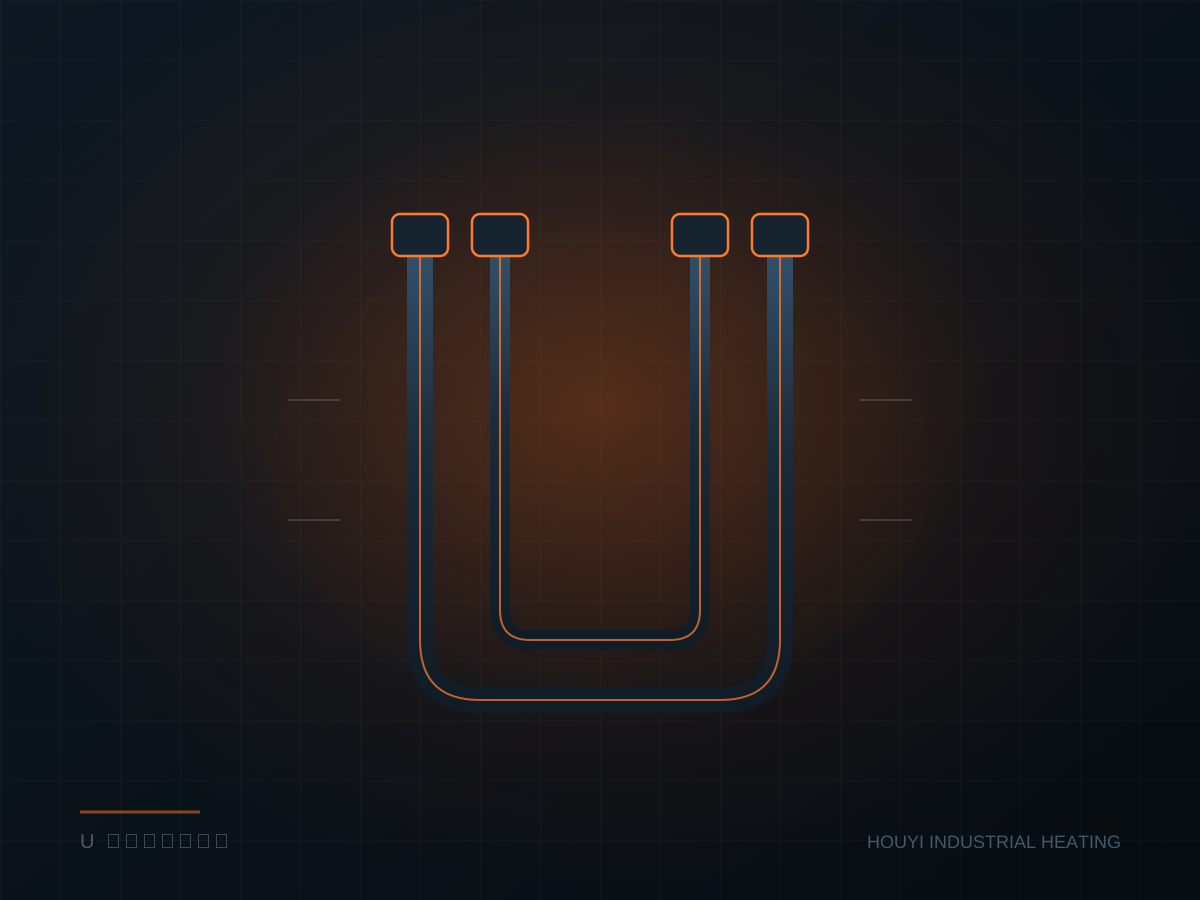
Heating element failure modes are concentrated: broken resistance wire, dropped insulation, corroded or perforated sheath, oxidized terminals. These rarely happen suddenly — they are the result of installation or operating conditions drifting from design over time.
1. Was the element exposed above the liquid?
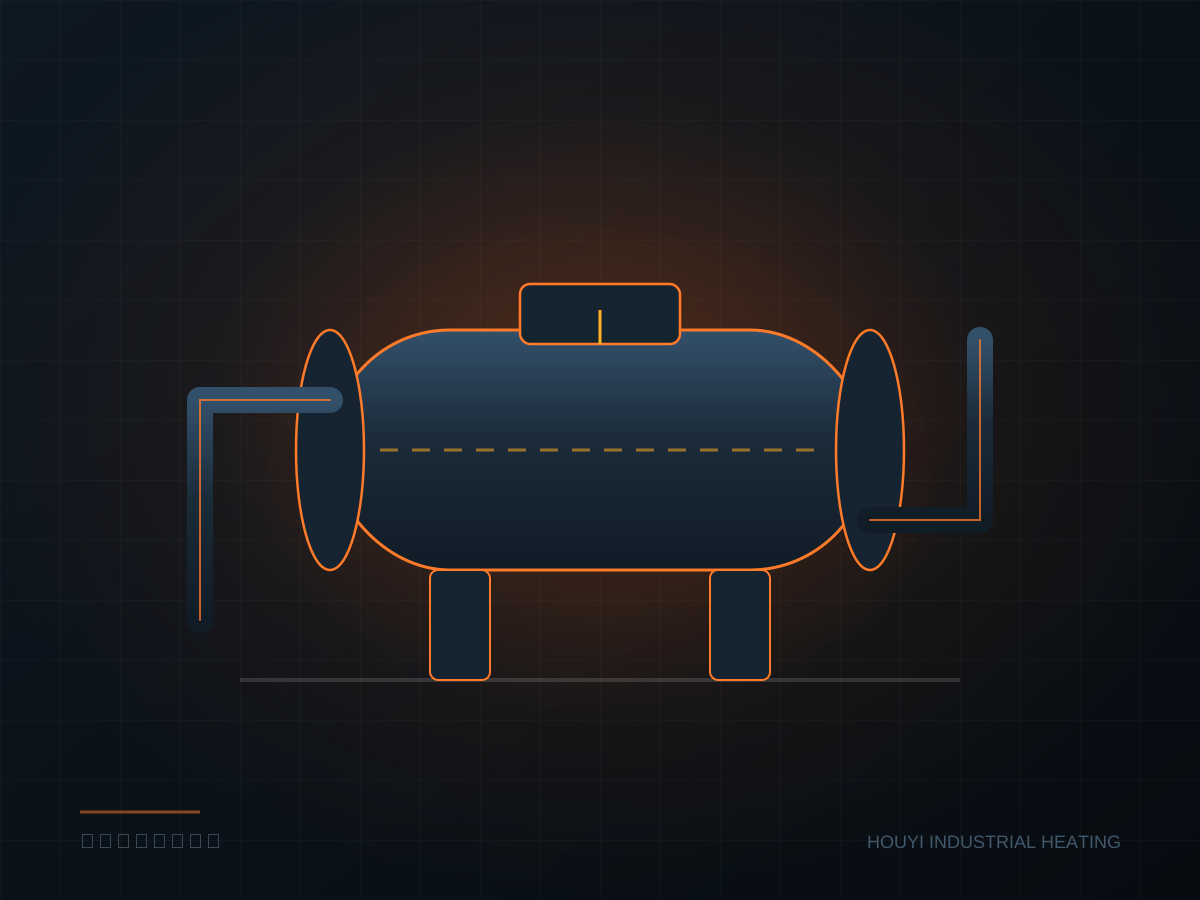
Immersion elements rely on liquid to carry heat away. A falling level leaves the upper part exposed, and that section's surface temperature quickly reaches several hundred degrees, the MgO insulation fails, and breakdown follows.
The fix is not just "watch the level." Fit a low-level switch interlocked with the heating circuit, or lower the element so its top is 100 mm below the minimum level. For tanks with large level swings, a draft tube also helps.
2. Was the surface load set too high?
At the same power, a smaller element surface means a higher surface load. Water can take 6–8 W/cm², oil only 2–4 W/cm², and high-viscosity media even less.
When surface load is too high, oil cokes on the tube wall, the coke layer raises wall temperature, and the resistance wire finally burns through at a local hot spot. Opened up, such failures often show no obvious sheath corrosion — but the internal wire has melted and the MgO has discoloured.
3. Installation clearance and contact
For cartridge heaters, the fit clearance in the bore should be 0.05–0.1 mm. Too large and thermal resistance rises, so the element runs tens of degrees hotter than the mold; too small and the sheath is scratched during removal.
The same applies to band heaters. ID tolerance and bolt torque both affect contact. Checking around the circumference with a feeler gauge, or applying thermal grease, are effective improvements.
4. Terminal ambient temperature
The element body may take 600°C, but terminals usually only 150–200°C. If the terminal box sits against hot equipment, or the cold-end length is too short, terminals oxidize continuously, contact resistance rises, and they eventually overheat and burn.
Confirm the cold-end length at selection. On site you can add a thermal pad, extend the terminal chamber, or move the terminal box away from the heat source.
5. Switching frequency and thermal shock
Frequent on/off cycling subjects the element to repeated thermal expansion and contraction. The sheath and MgO have different expansion coefficients; after long cycling, gaps form inside, heat transfer degrades, and local overheating follows.
If the process needs frequent adjustment, use SCR continuous control instead of contactor switching to minimize thermal shock. For large heaters, group switching is gentler than starting and stopping the whole unit.
Two reminders when replacing
Before fitting a new element, find out why the old one failed. If it was coking, replacing without cleaning the system will give the new element the same short life.
Also, for multi-element heaters, replace the whole group rather than just the failed element. Old and new elements have different resistance, so the old ones carry more current and soon fail too.
Element life is decided by design, installation and operation together. Run through the points above and most early failures can be avoided.